

Designing Warmth with Care: Temperature Management in Heated Gloves

Venustas Logo
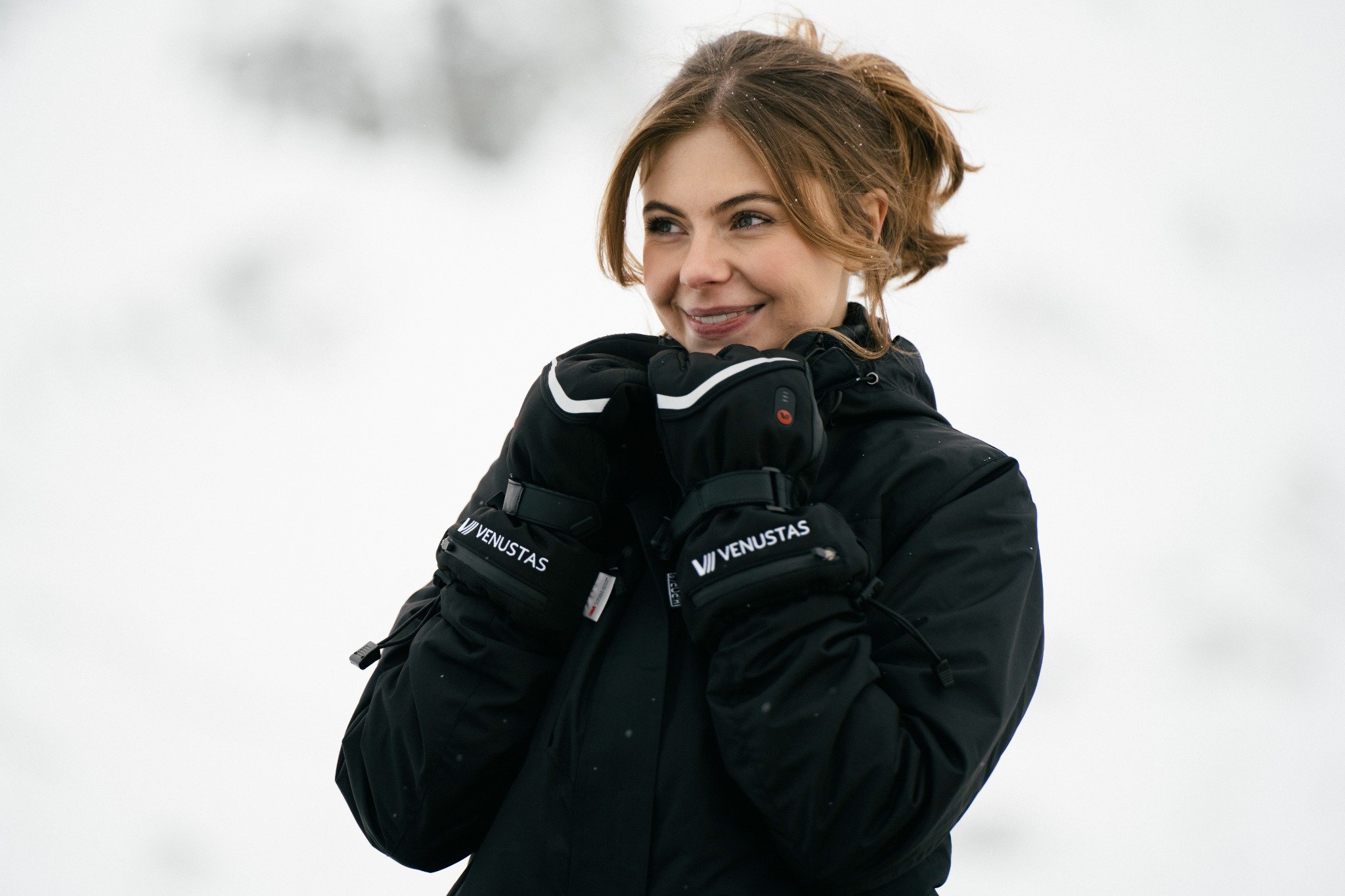
Venustas heated gloves
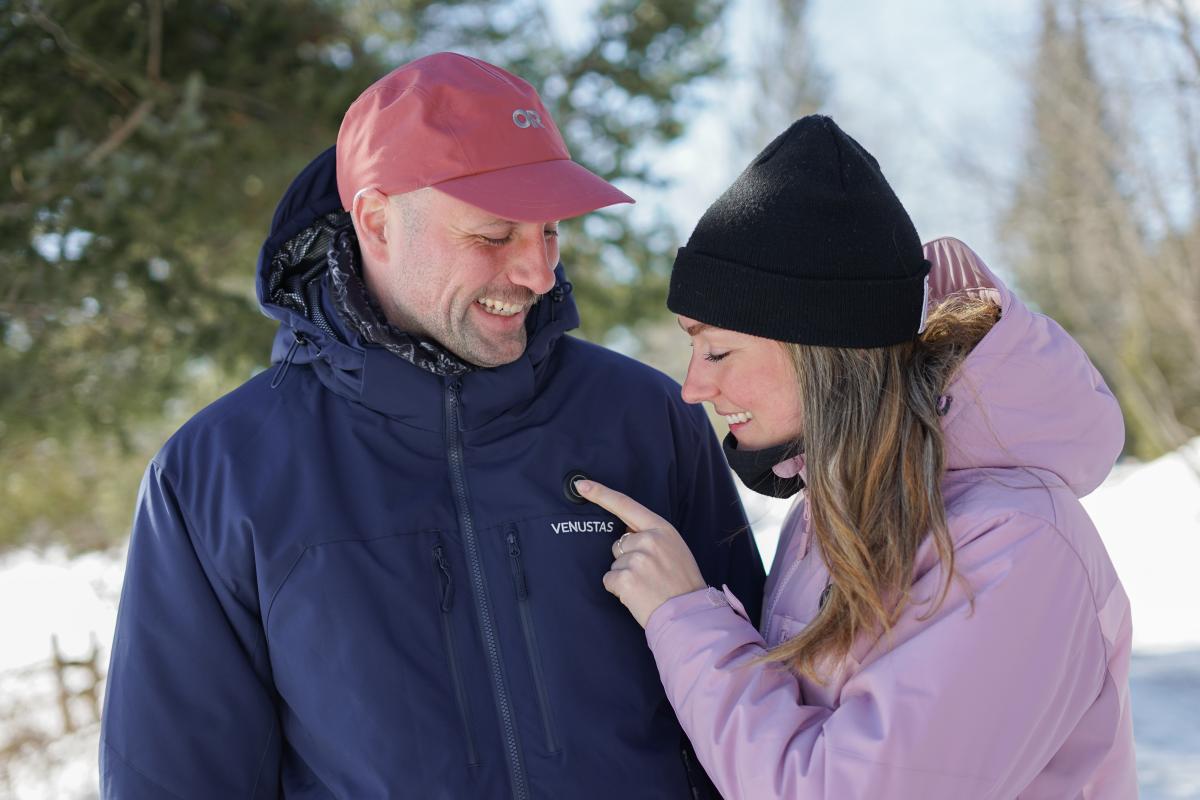
Venustas Waterproof Heated Jackets
Why controlled, close-to-skin heating matters—and how thoughtful temperature design shapes real-world comfort in heated gloves.
LOS ANGELES, CA, UNITED STATES, February 3, 2026 /EINPresswire.com/ -- Why Thoughtful Temperature Control Matters in Close-to-Skin Heated AccessoriesAs colder climates, outdoor lifestyles, and daily commuting continue to shape how people dress, heated apparel has emerged as a growing category designed to provide active, wearable warmth. Unlike traditional insulation that relies solely on layering or material thickness, heated apparel integrates lightweight heating technology to deliver adjustable warmth where and when it is needed most.
Originally developed for outdoor enthusiasts and extreme conditions, heated apparel has increasingly become part of everyday cold-weather wear—supporting longer commutes, extended time outdoors, and environments where passive insulation alone is not always sufficient. As this category expands, expectations have shifted beyond simply “more heat.” Today, consumers increasingly look for warmth that is wearable, controllable, and suitable for prolonged use, particularly in close-to-skin accessories such as heated gloves.
It is within this context that temperature management has become a central design consideration—shaping not only comfort, but how responsibly heated accessories are engineered for real-world wear.
Close-to-Skin Heating Requires a Different Design Approach
Heated gloves differ fundamentally from traditional warming solutions. Worn in continuous, direct contact with the skin, they require a design approach that prioritizes stability and control rather than short bursts of high heat.
When warmth is applied directly to the body over extended periods, factors such as blood circulation, movement, ambient temperature, and individual sensitivity all influence how heat is perceived. In these scenarios, unstable or poorly regulated heat output can increase discomfort and raise concerns if not properly managed. As a result, designers in the heated apparel space increasingly emphasize consistent, controlled temperature output over momentary intensity.
Within close-contact heating environments, consistency matters more than peak output. Steady warmth that adapts to real-world use supports comfort over time, especially during prolonged wear.
Why Higher Temperature Is Not Always Better
A common assumption among consumers is that higher temperatures equate to better performance. However, in close-to-skin applications, this logic does not always hold true. Continuous heating is fundamentally different from rapid warming, and what feels effective in the first few minutes may not translate into a comfortable or responsible experience over hours of wear.
The primary issue is not simply “heat,” but heat accumulation at the skin-contact level. When warmth is applied continuously—particularly in compact accessories where heating elements sit close to the body—heat can concentrate locally faster than it dissipates. Over time, this localized buildup can create unnecessary thermal stress on the skin.
Human skin has a limited tolerance for sustained heat exposure. Research and industry practice widely recognize that prolonged, close-contact exposure to elevated warmth may increase the risk of low-temperature burns, even in the absence of immediate pain or visible warning signs. Unlike acute burns caused by brief exposure to extreme heat, low-temperature burns develop gradually through sustained contact, making them difficult for users to detect in real time.
This risk can become more pronounced in cold environments. When skin temperature is already lowered by ambient conditions, thermal perception may be dulled, reducing the body’s ability to sense overheating at the contact point. As a result, warmth that feels comfortable initially may continue to accumulate locally over time.
For this reason, industries involving prolonged heat-to-skin contact—such as medical heat therapy, electric blankets, and automotive seat heating—do not pursue extreme temperatures as a performance goal. Instead, they emphasize defined temperature ranges, controlled output, and mechanisms designed to prevent long-term exposure to excessive heat.
In wearable heating, peak temperature is not the same as real comfort. What determines wearability is whether warmth is delivered evenly, remains stable, and is managed responsibly over extended periods—not whether a product can reach the highest number on a specification sheet.
Temperature Control as a Design Responsibility
Venustas approaches temperature management as a design responsibility rather than a marketing specification. Heated accessories are developed with the understanding that warmth should support daily routines—not overpower them.
Because heated gloves are worn in direct, prolonged contact with the skin, Venustas prioritizes controlled, stable, and adjustable warmth over short-lived temperature peaks. Rather than pursuing extreme heat output, the focus is on delivering warmth that remains comfortable and wearable throughout extended use.
Venustas heated gloves feature four heat modes—Smart, Low, Medium, and High—allowing wearers to adjust warmth based on activity level, environment, and personal preference. Importantly, the maximum temperature is intentionally capped at 131°F (55°C), a limit defined through internal testing and safety-oriented research to help manage sustained heat exposure at the skin-contact level.
As Venustas sees it, this approach is not a limitation, but a deliberate design choice. In wearable heating, professional performance is defined not by how hot a product can become, but by how responsibly and consistently it delivers warmth in direct contact with the human body.
Designed for Everyday Wear
Heated gloves are designed to support people in real-world conditions—where warmth is needed across daily routines rather than brief moments. From commuting to extended outdoor activity, wearable warmth must remain consistent, unobtrusive, and reliable.
By prioritizing thoughtful temperature management, Venustas aims to create warmth that integrates naturally into everyday life, delivering comfort that lasts without demanding constant attention from the wearer.
About Venustas
As heated apparel continues to evolve from niche gear to daily essentials, Venustas focuses on creating wearable warmth solutions that balance comfort, performance, and responsible design. Its best-known products include heated jackets that deliver all-around warmth as a core solution for cold environments, complemented by close-to-skin accessories such as heated gloves and socks that provide added convenience and targeted warmth.
To learn more, visit venustas.com.
For media inquiries and partnership opportunities, please contact cooperation@venustas.com.
Estelle Yang
Venustas
cooperation@venustas.com
Visit us on social media:
Instagram
Facebook
YouTube
TikTok
X
Legal Disclaimer:
EIN Presswire provides this news content "as is" without warranty of any kind. We do not accept any responsibility or liability for the accuracy, content, images, videos, licenses, completeness, legality, or reliability of the information contained in this article. If you have any complaints or copyright issues related to this article, kindly contact the author above.
